People in electronics say PCB and PCBA like they're the same thing. They get used interchangeably in conversation, in job postings, in supplier emails. But they refer to two different stages of the same process, and mixing them up causes real confusion. Here's the short version: a PCB is a blank board. A PCBA is that board with all the parts attached and working.
What a PCB Is
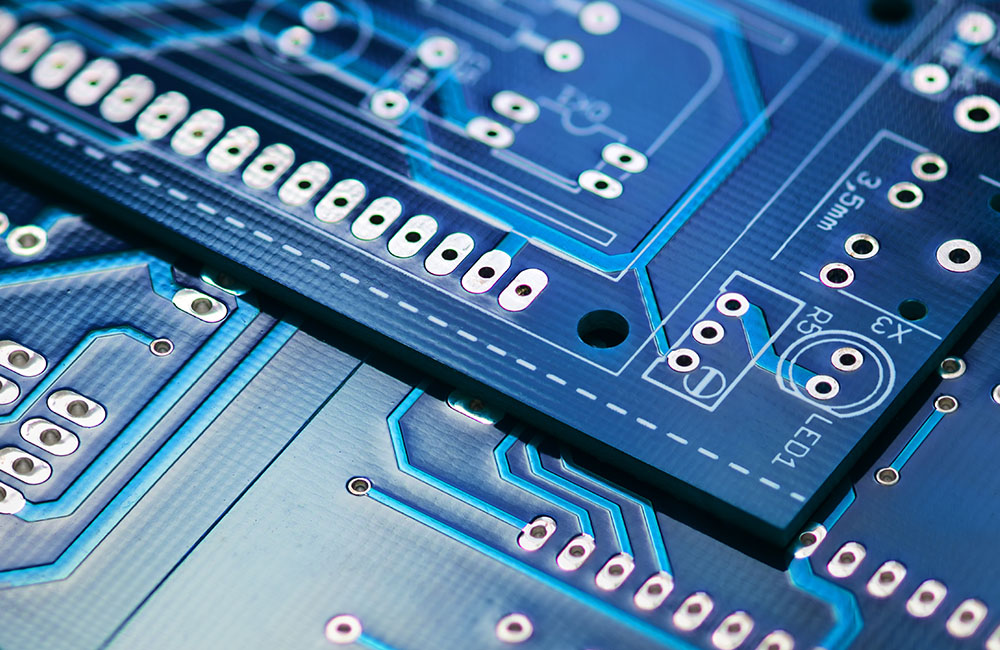
PCB stands for printed circuit board. It's the foundation of basically every modern electronic device. Its job is mechanical support and electrical connection — it holds components in place and connects them to each other.
The board itself is made from laminate material. Usually fiberglass or composite epoxy. On top of that substrate, conductive pathways are printed or etched following a predetermined design. That's where the "printed" in printed circuit board comes from.
There are several types. Single-layer PCBs are the simplest — one layer of conducting material, a solder mask coating, and silkscreen markings to show where components go. Double-layer boards have conducting material on both the top and bottom, which gives more flexibility and allows a smaller size. Multi-layer boards stack more than two conductive layers and handle more complex applications. You also get flexible PCBs, rigid PCBs, and flex-rigid boards that combine both.
As for materials: the substrate is usually fiberglass or composite epoxy. The conducting material is most often copper. The circuits themselves are plated or etched onto the substrate in copper, then coated with tin-lead to prevent oxidation. Contact fingers on the board's outer edges also get tin-lead, plus nickel and gold in some cases, to boost conductivity.
PCBs end up in a huge range of devices. Consumer electronics, heavy machinery, robotics, vehicle components, medical equipment. Computers, phones, TVs, radios, printers, calculators, appliances, lighting systems, medical imaging machines, pacemakers, engine management systems, industrial controls, telecom towers, data storage, satellite systems. The list goes on.
What a PCBA Is
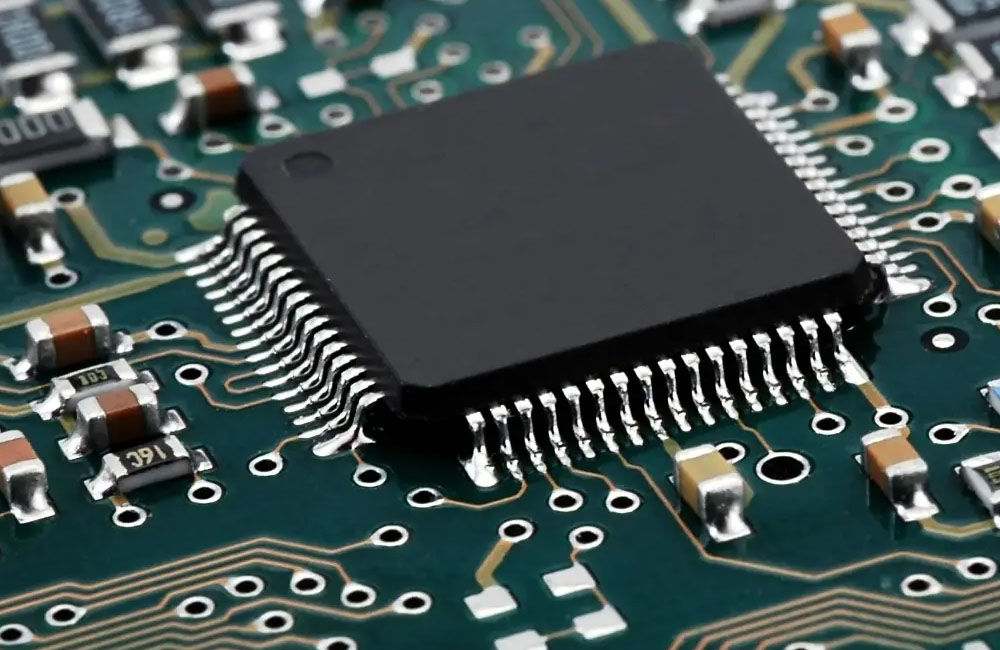
PCBA stands for printed circuit board assembly. It's the completed board — the PCB plus all the electronic components needed for it to function as required. The term can also refer to the assembly process itself, which is why you'll hear "PCBA company" or "PCBA service."
There are two main ways to assemble a board. Surface-mount technology, or SMT, mounts components directly onto the surface of the PCB. It's highly automated, flexible, and allows higher connection densities — you can pack complex circuitry into small components. The process has four basic steps: preparing the PCB by applying solder paste where needed, placing the components (usually with a pick-and-place machine), reflow soldering in an oven until the solder joints form, and inspection throughout the whole process.
Thru-hole technology is the older method. It involves drilling holes into the PCB and attaching component leads through those holes. It creates a stronger connection between board and components, which makes for more durable and reliable assemblies. It can be fully automated or semi-automated. The steps are: drill the holes to the right size for the leads, place the leads, solder them in place, and inspect.
Why They're Not the Same
The difference comes down to one thing: components. A PCB has none. A PCBA has all of them. That means a PCB isn't functional yet — it can't do anything on its own. A PCBA is complete and ready to go into a device.
They're also two different parts of the same process. You can't make a PCBA without a PCB. The blank board comes first, and assembly builds on top of it. Both steps are necessary. Manufacturing a blank board is simpler and cheaper than producing a completed PCBA, because of all the components and processes involved in assembly. But skipping the board isn't an option.
Even packaging differs. PCBs typically ship vacuum-packed. PCBAs need compartmental or anti-static packaging because they're finished, functional products.
So next time someone uses the two terms interchangeably, you'll know better. Blank board versus assembled board. Foundation versus finished product. Two stages, one process, and neither one is the other.